
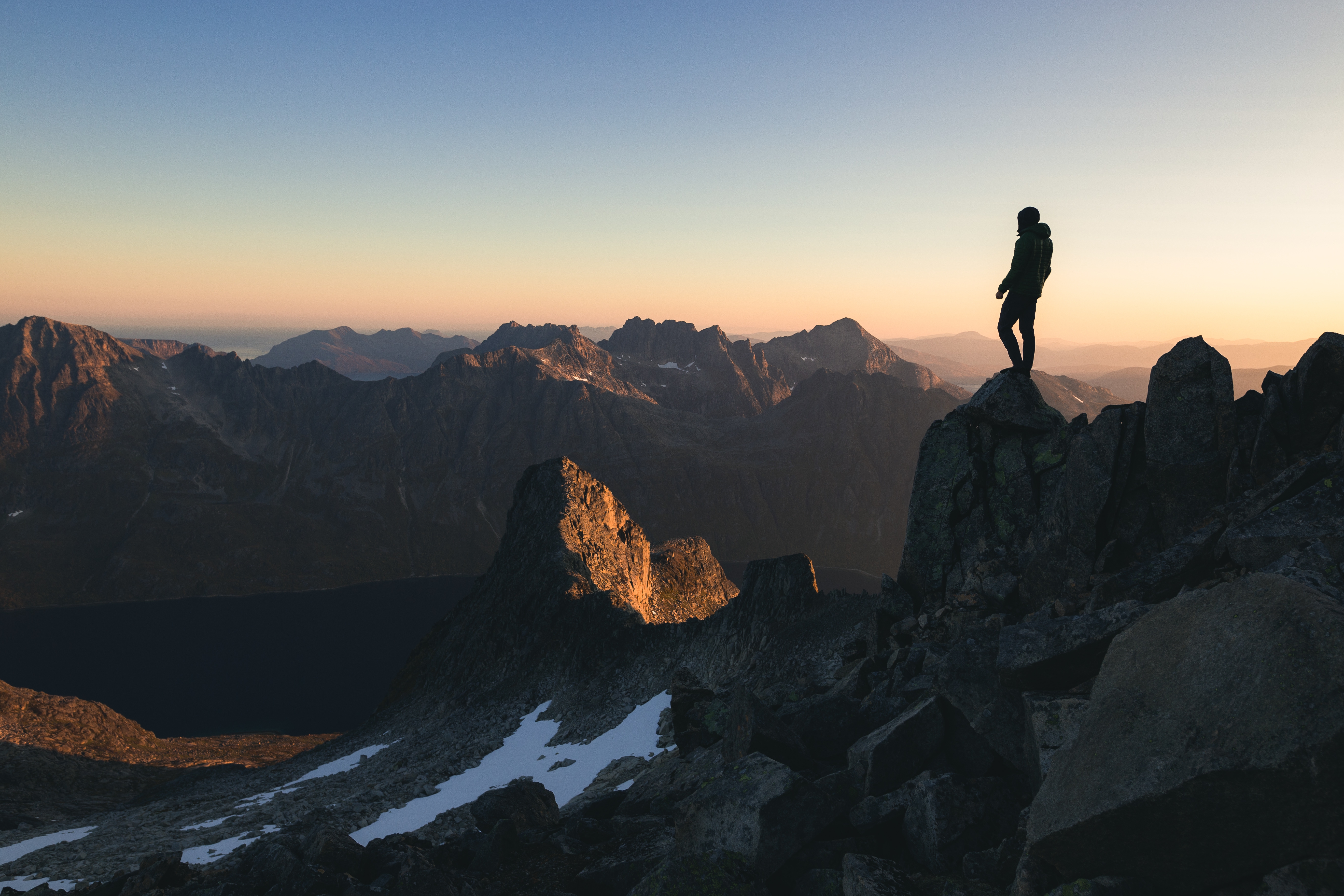

Introduction: The Call of the Unaccompanied Path
The call of the wild, the allure of an untamed peak, the vast, silent expanse of a remote trail – these are powerful magnets for the adventurous spirit. For some Adventure Enthusiasts, the ultimate expression of this spirit lies in confronting these monumental challenges utterly alone. Embarking on a high-stakes solo adventure, be it scaling a formidable mountain or traversing an extensive wilderness for long distance solo hiking, is a journey that transcends mere physical endurance. It is a profound encounter with the self, the environment, and the very nature of risk and reward.
This isn’t just about casual solitary travel. The “Solo Summit,” as we’ll explore, signifies a deeper commitment to absolute self-reliance and an acceptance of unmitigated responsibility in environments where the consequences of error can be severe. This guide delves into the unique landscape of these high-stakes solo expeditions, exploring the distinct challenges faced, the profound personal growth attained, and the essential knowledge required for those who dare to venture into the wild, singularly reliant on their own capabilities, truly embracing challenge through a solo lens.
The Essence of “Solo”: Why Adventure Enthusiasts Choose the Unaccompanied Path
What drives an Adventure Enthusiast to tackle significant challenges alone? It’s a complex tapestry woven from the desire for ultimate self-reliance and the pursuit of unique, deeply personal rewards.
Beyond Solitude: The Purity of Self-Reliance in High-Stakes Adventure
In the demanding arenas of high-altitude mountaineering or extended wilderness expeditions, “solo” signifies an endeavor undertaken without the direct support or shared burden of a team. This isn’t merely about the absence of companions; it’s about unmitigated responsibility where every decision, every action, and every consequence rests squarely on the individual’s shoulders. This path offers a purity of experience: freedom from group dynamics, direct and unfiltered engagement with the environment, and the absolute agency in decision-making.
Motivations for Going It Alone: The Deep Rewards
The motivations underpinning such ambitious solo undertakings are as profound as the challenges themselves.
- Profound Self-Discovery: The solo journey strips away external dependencies, forcing an intimate confrontation with one’s own strengths, weaknesses, fears, and capabilities, often leading to unparalleled self-understanding.
- Testing Personal Limits & Undisputed Accomplishment: There’s a unique satisfaction in pushing personal boundaries and achieving a significant goal based solely on one’s own efforts and resilience.
- Deep Connection with Nature: Solitude often allows for a heightened sensory experience and an unfiltered, deeply personal connection with the natural environment, sometimes bordering on spiritual or meditative states.
- Ultimate Freedom & Agency: The solo adventurer experiences absolute freedom in pacing, route choices, and decision-making, an undiluted form of personal agency that can be incredibly empowering.
The Solo Gauntlet: Unique Challenges of High-Stakes Independent Expeditions
While the rewards are significant, tackling major adventures alone magnifies existing challenges and introduces new ones that demand exceptional preparedness and fortitude. These are the solo mountaineering challenges and difficulties inherent in any ambitious unaccompanied journey.
Amplified Physical Demands: Carrying the Full Load (Literally and Figuratively)
Unlike group expeditions where gear and tasks can be shared, the solo adventurer bears the entire physical burden. This means carrying all personal and communal equipment—shelter, cooking systems, food, fuel, safety gear—leading to significantly heavier packs and increased physical strain. Beyond the pack weight, there’s the relentless need for self-motivation and pacing; there’s no teammate to offer encouragement during tough stretches or to share the load of camp chores after an exhausting day.
The Psychological Tightrope: Mental Fortitude and Emotional Management (Resilience – Solo Lens)
The psychological challenges of solo expeditions are often the most formidable, truly testing one’s resilience through a solo lens.
- Isolation and Fear Management: Extended periods of solitude can lead to a heightened sense of isolation and, for some, loneliness. Managing fear—of the unknown, of failure, of injury—without the immediate comfort or distraction of companions requires immense mental strength. The interplay of solitude vs connection (or lack thereof) becomes a central theme.
- Burden of Sole Decision-Making: Every decision, from micro-adjustments in navigation to critical choices in rapidly changing conditions, rests solely on the individual. This constant cognitive load, especially when fatigue sets in or when facing high-consequence situations, can be incredibly taxing.
- Maintaining Motivation and Discipline: Over extended periods, especially during monotonous stretches or setbacks, maintaining motivation, discipline, and a positive mental attitude without external reinforcement is a significant challenge.
Navigational & Logistical Self-Sufficiency: You Are Your Own Guide
For the solo adventurer, particularly on long distance solo hiking trips or in remote mountaineering contexts, self-sufficiency in navigation and logistics is paramount.
- Sole Responsibility for Route Finding: There’s no one to confer with on map readings or to double-check a bearing. Proficiency in multiple navigation techniques (map and compass, GPS, natural features) is essential, especially in complex, unmarked, or remote terrain where a wrong turn can have severe consequences.
- Meticulous Logistical Planning: All planning for resupply points, water sources, permit acquisitions, and contingency plans must be flawless, as there’s no teammate to catch an oversight. This demands an exceptional level of detail and foresight.
Safety & Emergency Response: The Soloist’s Ultimate Responsibility
Perhaps the most critical challenge is safety. With no immediate assistance available in case of injury, illness, or equipment failure, the solo adventurer faces increased vulnerability. This necessitates:
- Robust Emergency Plans: Detailed plans for various emergency scenarios, including self-extraction or signaling for help.
- Reliable Communication Devices: Carrying and knowing how to use Personal Locator Beacons (PLBs), satellite messengers, or satellite phones for emergency communication in areas without cell service.
- Advanced Self-Rescue Knowledge: Proficiency in self-rescue techniques relevant to the activity (e.g., managing a sprained ankle alone, knowing how to signal for help effectively).
The Soloist’s Toolkit: Essential Skills, Planning & Gear for Major Expeditions
Success and safety in high-stakes solo adventures are not accidental; they are the product of meticulous preparation, advanced skills, and a specific mindset.
Mastering Advanced Technical Skills: Beyond Basic Competency
Solo endeavors in challenging environments demand more than just basic competency; they require a high degree of mastery in activity-specific technical skills. This includes advanced navigation techniques across varied terrain, wilderness first aid and self-care, equipment repair, and specific skills like crevasse self-rescue for solo mountaineering challenges or whitewater self-rescue for solo paddling. Equally important are robust problem-solving and improvisational skills to adapt and overcome unexpected gear failures or environmental challenges when there’s no one else to rely on.
Meticulous Planning & Risk Assessment: The Solo Imperative
For the soloist, planning is not just a preliminary step; it’s an ongoing critical process. This involves:
- In-depth Research: Exhaustive research of routes, potential hazards, weather patterns, water sources, escape routes, and local conditions.
- Detailed Itineraries & Emergency Plans: Creating highly detailed day-by-day itineraries and comprehensive emergency action plans, which must be left with one or more reliable contacts who understand the check-in procedures and what to do if you’re overdue.
- Rigorous Self-Assessment: An unflinchingly honest assessment of one’s current skills, fitness, and mental preparedness against the specific demands and objective risks of the chosen challenge.
Gear Selection: Lightweight, Reliable, and Redundant
Gear choices for solo expeditions are critical, balancing weight, durability, and functionality.
- Lightweight yet Durable: Every ounce counts when carrying the entire load, but gear must also be robust enough to withstand harsh conditions and potential mishaps.
- Proven Reliability: All critical gear (shelter, sleep system, stove, navigation tools, safety equipment) must be thoroughly tested and proven reliable in conditions similar to those expected on the expedition. This is not the time to try out brand-new, untested equipment.
- Redundancies for Critical Items: Consider carrying backups for essential items whose failure could be catastrophic, such as navigation aids (e.g., map/compass + GPS), fire-starting methods, and water purification systems.
Cultivating a Solo Adventure Mindset: Mental & Emotional Preparedness
The right mindset is as crucial as any piece of gear. This includes:
- Developing Techniques for Managing Fear, Loneliness, and Self-Doubt: Mindfulness practices, positive self-talk, and focusing on manageable, immediate tasks can help navigate the psychological challenges of prolonged solitude and high-stress situations.
- Building Self-Awareness and Objective Decision-Making: Learn to recognize personal stress signals, biases (like summit fever), and the onset of fatigue that can impair judgment. Practice making objective, rational decisions even when under pressure.
- Embracing Solitude and Developing a Positive Internal Dialogue: For many, learning to not just tolerate but truly embrace solitude is key. Cultivating a supportive and encouraging internal dialogue can be a powerful tool against negative thought patterns.
The Unparalleled Rewards: Why the Solo Summit Calls to the Adventure Enthusiast
Despite, and often because of, the formidable challenges, the benefits of solo expeditions are profound, frequently life-altering, and deeply resonant for the Adventure Enthusiast.
Forging Unbreakable Resilience & Self-Reliance (Resilience – Solo Lens)
Successfully navigating significant obstacles and managing risks entirely on one’s own builds a profound and lasting sense of self-trust, competence, and adaptability. Each challenge overcome single-handedly reinforces the knowledge that you possess the inner strength and skills to manage complex and demanding situations. This isn’t just about surviving; it’s about thriving through self-reliance, a powerful form of resilience viewed starkly through the solo lens.
Profound Connection: With Self, Nature, and the Present Moment (Solitude vs Connection)
The dynamic of solitude vs connection takes on a unique meaning in solo expeditions.
- Connection with Self: Extended solitude, free from external distractions and social pressures, offers a rare opportunity for deep introspection, heightened self-awareness, and gaining clarity on personal values and priorities.
- Connection with Nature: Without the filter of group interaction, the solo adventurer often experiences a more direct, intense, and unfiltered connection with the natural environment. Senses are heightened, and the subtleties of the wilderness become more pronounced.
- Connection with the Present Moment: The need for constant awareness and self-reliance cultivates a powerful mindfulness, anchoring the adventurer firmly in the present moment and fostering a deep appreciation for the here and now.
The Purity of Achievement & Undiluted Personal Growth
There’s a unique, undiluted sense of accomplishment that comes from achieving a significant goal based entirely on personal effort, planning, and capability. This “purity” of achievement is a powerful affirmation of one’s abilities. Furthermore, the intense problem-solving, decision-making, and self-discovery inherent in solo expeditions often lead to accelerated and profound personal growth that might take much longer to achieve in other contexts.
Anecdotes of Solo Triumph & Transformation
History and contemporary accounts are filled with stories of solo adventurers whose journeys led to profound transformation. Alison Young, reflecting on her solo thru-hikes, speaks of the simplicity and self-knowledge gained. The intense experience of Aron Ralston, though an extreme case of survival, underscores the depths of human resilience when faced with ultimate solo challenges. Even less dramatic solo undertakings can lead to significant shifts in perspective, confidence, and understanding of one’s place in the world, as echoed by countless solo hikers and mountaineers.
Is the Solo Summit for You? Considerations Before You Go
The allure of the solo summit is undeniable, but it demands rigorous and honest self-reflection before committing. This isn’t about discouraging ambition but ensuring it’s well-grounded.
Honestly Assessing Your Experience and True Motivations
A critical first step is differentiating between genuine aspiration backed by capability and potentially ego-driven decisions that overlook critical skill or experience gaps. Are you truly ready for the objective risks, or is the idea of the “solo summit” itself the primary driver? It’s vital to build a solid foundation of experience: start with solo day trips, progress to shorter solo overnights in familiar terrain, and then gradually increase the duration, remoteness, and technical difficulty of your solo endeavors.
The Critical Importance of Gradual Progression and Mentorship
Very few individuals are prepared to tackle major solo expeditions without a significant period of learning and progressive experience. Seek mentorship from experienced solo adventurers, take specialized courses in advanced wilderness skills, navigation, and emergency preparedness. “Solo” in execution should not mean “unsupported” or “unprepared” in the learning and development phase.
When to Say “Not Yet” or “Not This Way”
There is immense wisdom in recognizing personal limits and making the difficult but mature decision to postpone or significantly modify a solo challenge if the risks outweigh your current capabilities or preparedness. Adventure is a lifelong pursuit, not a race. There are many alternative ways to experience challenge, solitude, and connection with nature that may not involve the extreme risks of certain high-stakes solo expeditions, or that can serve as stepping stones to future ambitions.
Conclusion: The Transformative Power of the Unaccompanied Journey
Tackling major adventures solo is a unique and deeply personal endeavor, demanding an exceptional blend of preparation, skill, mental fortitude, and respect for the forces of nature. It’s a path less traveled, one that strips away external supports and lays bare the core of one’s capabilities and resilience.
The challenges—physical, psychological, logistical, and safety-related—are undeniably significant and should never be underestimated. Yet, for the Adventure Enthusiast who approaches these undertakings with wisdom and diligence, the rewards are unparalleled: a profound sense of self-reliance, an intimate and unfiltered connection with the environment, and a depth of personal growth that can be truly transformative.
For those drawn to the “Solo Summit,” the journey is as much internal as it is external. Approach it with humility, prepare meticulously, cultivate your skills relentlessly, and embrace the profound journey of ultimate self-discovery that awaits on the unaccompanied path.
